Leo Johnson: Biography, Age, Family, Net Worth and Career at PwC and Oxford University
Discover the life of Leo Johnson, the British sustainability expert, business strategist and broadcaster, from his influential work at PwC to his academic research at Oxford University.

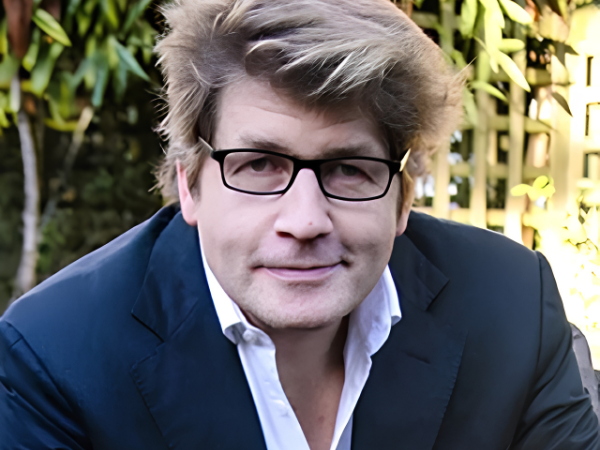
Leo Johnson is a British sustainability expert, business strategist, researcher, author and broadcaster who serves as Chair of the PwC UK Advisory Council. He is also a Doctoral Researcher and Visiting Business Fellow at the University of Oxford’s Smith School of Enterprise and the Environment, where he lectures on the MSc in Sustainability, Enterprise and the Environment. Known for his expertise in climate change, innovation and business transformation, Johnson previously led PwC’s Disruption and Innovation practice. He is also the younger brother of former British Prime Minister Boris Johnson and has presented several BBC programmes exploring the future of business and society.
Who Is Leo Johnson?
Leo Johnson has built a professional career around one important question: how can businesses adapt to a rapidly changing world while contributing to a more sustainable future?
His work combines environmental economics, corporate strategy, technological innovation and leadership development. Rather than treating sustainability as a separate business responsibility, Johnson explores how environmental challenges can influence economic growth, investment decisions and organisational performance.
He has worked with international financial institutions, advised major businesses and contributed to discussions about climate change and technological disruption.
Although his family connections have attracted public attention, his professional reputation comes primarily from his contributions to sustainability, finance and business innovation.
Leo Johnson Early Life and Education
Leo Johnson was born into a well-known British family with strong connections to politics, journalism and public life.
His parents were Stanley Johnson, a former politician and environmental campaigner, and Charlotte Johnson Wahl, a respected painter.
Growing up in an intellectually active household exposed him to different perspectives on international affairs, politics and environmental issues.
Johnson later attended the University of Oxford, where he studied Philosophy, Politics and Economics.
He continued his education at University College London, earning a master’s degree in Resource and Environmental Economics. He also completed an MBA at INSEAD, an internationally recognised business school.
This educational background helped establish the foundation for his career in sustainable finance and corporate strategy.
Leo Johnson Career at PwC
One of Leo Johnson’s most significant professional achievements is his association with PricewaterhouseCoopers, commonly known as PwC.
He serves as Chair of the PwC UK Advisory Council and previously headed the firm’s Disruption and Innovation practice.
Before his PwC leadership roles, Johnson co-founded Sustainable Finance, a specialist advisory company that helped financial institutions understand environmental and social risks. The business was subsequently acquired by PwC.
His work has focused on helping organisations recognise emerging challenges, particularly those involving climate change, technological development and changing economic conditions.
Johnson encourages business leaders to consider long-term risks rather than concentrating exclusively on immediate financial performance.
Leo Johnson at Oxford University
Alongside his corporate responsibilities, Johnson maintains an academic connection with the University of Oxford.
He is a Visiting Business Fellow at the Smith School of Enterprise and the Environment and identifies himself professionally as a Doctoral Researcher.
He lectures on the MSc in Sustainability, Enterprise and the Environment, contributing practical knowledge about business leadership and environmental transformation.
His research includes the challenges organisations experience when attempting meaningful change.
One of his research interests is the Paradox of Intent, which examines why organisations may recognise the need for transformation but struggle to act effectively.
His combination of academic research and business experience allows him to connect theoretical ideas with real corporate challenges.
Leo Johnson Age
Leo Johnson was reported to be 45 years old in a May 2013 interview with the Evening Standard. Based on that information, he would be approximately 58 or 59 years old in October 2026.
His precise birth date is not consistently documented in publicly accessible professional biographies.
Unlike some members of his family, Johnson has generally maintained a relatively private personal profile, concentrating public attention on his professional activities.
Leo Johnson Family
Leo Johnson belongs to the prominent Johnson family in Britain.
His father, Stanley Johnson, worked in politics and environmental affairs, while his mother, Charlotte Johnson Wahl, was an accomplished artist.
His siblings include Boris Johnson, the former British Prime Minister; Rachel Johnson, a journalist and broadcaster; and Jo Johnson, a former government minister.
Leo Johnson is married to Taies Nezam, who is of Afghan origin. The couple have two daughters, according to published interviews.
Although his relatives have frequently appeared in political headlines, Leo has generally pursued a different professional path, concentrating on sustainability, financial institutions and environmental innovation.
Leo Johnson Net Worth
Leo Johnson’s exact net worth has not been publicly verified.
His career includes senior responsibilities at PwC, the co-founding of Sustainable Finance, university teaching, broadcasting, writing and public speaking.
These professional activities represent several potential sources of income.
However, no reliable public financial disclosure establishes his personal wealth, investments or total assets.
Consequently, any specific monetary figure presented as Leo Johnson’s net worth should be treated cautiously unless supported by credible financial documentation.
His professional achievements are better documented than his private financial circumstances.
Leo Johnson Wikipedia
People searching for Leo Johnson Wikipedia may encounter several individuals or fictional characters sharing his name.
Wikipedia has a general disambiguation page titled Leo Johnson, but a dedicated biography of the British sustainability expert was not identified during this research.
However, he is mentioned in Wikipedia articles concerning the Johnson family, including those about his brothers Boris and Jo Johnson.
For accurate professional information, the University of Oxford’s Smith School, PwC and established speaker biographies provide more directly relevant details about his career and achievements.
Leo Johnson Books and BBC Career
Beyond business and academic research, Johnson is also an author and experienced broadcaster.
He co-authored Turnaround Challenge: Business and the City of the Future with Mick Blowfield. Published by Oxford University Press in 2013, the book explores how technological innovation and sustainable development could reshape urban economies.
His broadcasting work includes BBC Radio 4 programmes such as FutureProofing, Hacking Capitalism and Hacking Happiness.
Through these programmes, Johnson explores the relationship between technology, human behaviour, business innovation and society.
His ability to communicate complicated economic and environmental subjects to wider audiences has become an important feature of his career.
Final Thoughts
Leo Johnson has developed a distinctive career combining business leadership, sustainability research and public communication.
From his early work in environmental economics to his responsibilities at PwC and Oxford University, he has consistently explored how organisations can respond to economic and environmental challenges.
Although his family connections attract attention, his contributions to sustainable finance, innovation and transformational leadership define his professional identity.
His work remains relevant to businesses seeking to balance long-term economic success with environmental responsibility.